


Guest Pride Month Blog Mexico Proud: 500 years of refuge from oppression
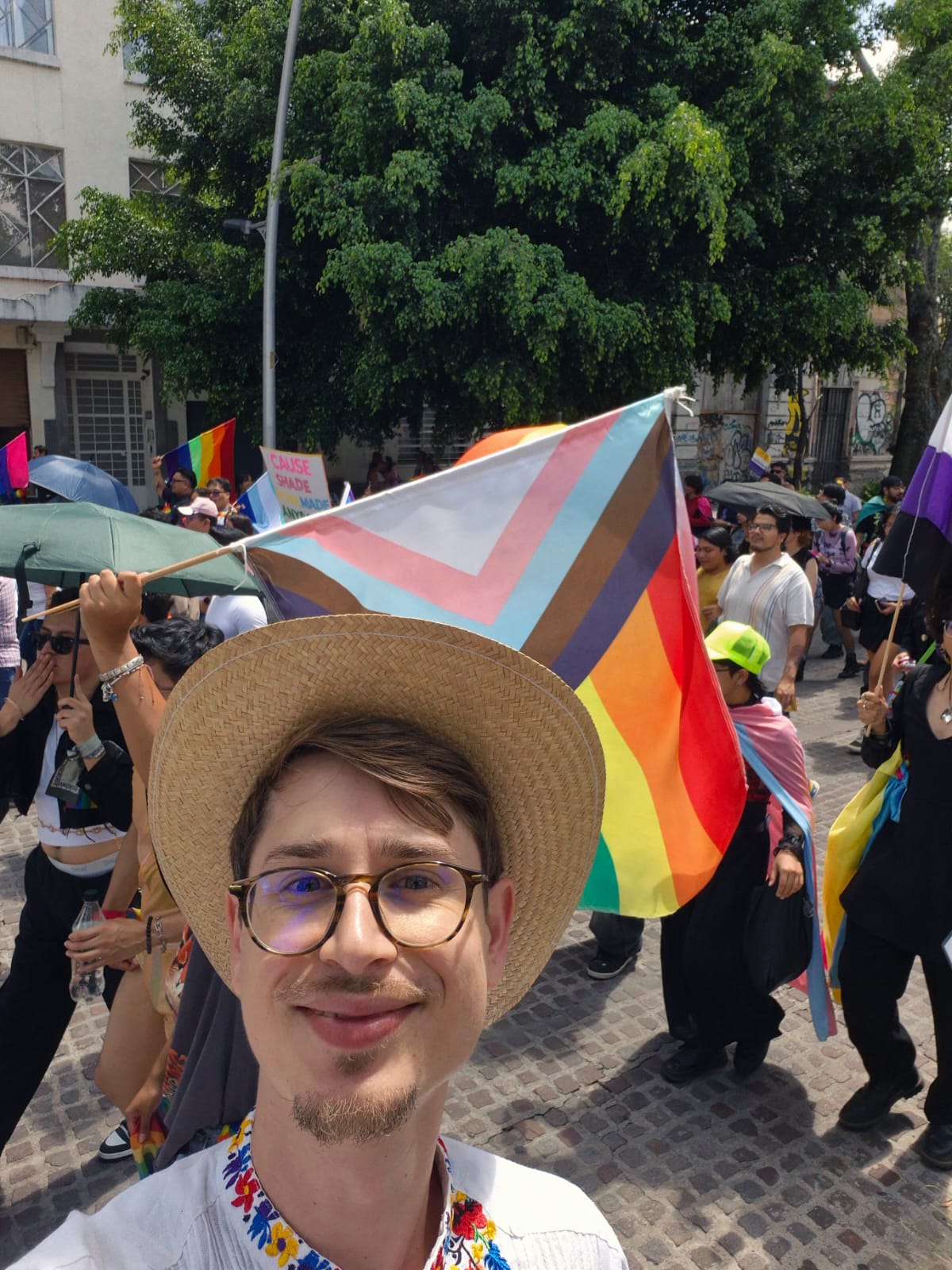
By E. Vera, Blogger, Educator, and Writer
At Midwest Mujeres, we believe that every woman deserves the opportunity to live, lead, and tell her story with dignity. During Pride Month, we celebrate the resilience, creativity, and contributions of LGBTQ+ people across our communities and recognize that the fight for belonging, safety, and opportunity is deeply connected to our mission of reducing isolation and expanding access to education, leadership, and economic mobility.
We are honored to share this essay written by Emiliano Vera, which explores a lesser-known history of Mexico as a place of refuge for people fleeing oppression. From freedom seekers escaping slavery to LGBTQ+ people searching for safety and community, this piece invites us to consider what it means to welcome, protect, and stand alongside one another. We hope it sparks conversation, curiosity, and a deeper appreciation for the many stories that shape our shared history. We hope you enjoy reading our Pride Month Blog!

While often caricatured as a backward and lawless narcostate by US media and politicians, Mexico has served as a refuge for people fleeing oppression for over 500 years. From Jews avoiding the Inquisition in Europe during the 1500s, to political refugees escaping the US-backed fascist dictatorships in Spain and Latin America during the 20th century, Mexico has long welcomed those with nowhere else to turn.

Over the past 200 years, thousands of people have fled the US in search of freedom in Mexico. In honor of Juneteenth and Pride month, I want to focus on two groups who have found refuge in this country’s vast altiplanos, deserts, mountains, and forests: enslaved Black Americans before the Civil War, and LGBTQ+ Americans today.
Our Proud History
It’s a fact rarely taught in schools that the main reason the US stole Texas and the West from Mexico was to expand the slave plantation system, as well as eliminate the threat of a good example provided by its then-larger and more prosperous southern neighbor. Antislavery was one of the founding principles of Mexico’s declaration of independence from Spain in 1810, expanded by the Afrodescendant independence leader, José Maria Morelos. By the time of the Texas rebellion (launched by slave-owning illegal immigrants from the US), slavery had already been completely abolished in the young Mexican Republic for 6 years, decreed by Mexico’s first Afrodescendant President, Vicente Guerrero, in 1829. The steady flow of enslaved people from the US South across the border to freedom heightened tensions between the two countries that ultimately broke out in war.
Even after the border was pushed back nearly a thousand miles to the Río Bravo, up to 10,000 people escaped through the Underground Railroad’s southern route. Mexican authorities repeatedly refused to extradite freedmen back to the US, and their settlements were protected from slave raids by the Mexican army and local militias. Their descendants live on to this day in communities like Nacimiento de los Negros in the border state of Coahuila. So while we commemorate Juneteenth as the day the enslaved people of Texas were the last to learn of their emancipation, just on the other side of the river, their relatives had been living in freedom for decades.
Fast forward 150 years, and armed thugs are once again breaking down church doors, ripping families apart, and violently forcing people to work without pay. This time, it is ICE instead of slave patrols. Rights won from decades of struggle are being taken away, and one of the groups on the chopping block are LGBTQ+ people.
The Pride Movement
Last year’s murder of King of the Hill voice actor Jonathan Joss in broad daylight while protecting his husband put a famous face to an increasing wave of violence faced by a community that is barely celebrating 10 years of nationwide equality. Advocacy groups such as the Trevor Project and the Transgender Law Center note an upsurge in queer people fleeing increasingly discriminatory laws in the South and Plains states.
Once again, Mexico is becoming seen as a desirable destination for those watching their rights slip away in the US. While Mexico still has a long way to go to fully protect its own LGBTQ+ citizens, marriage equality is recognized nationwide by a Supreme Court ruling in 2022, discrimination based on sexual preference is banned in Article 1 of the Constitution, and gender affirming care can be accessed through the public healthcare system, legal protections that are not guaranteed everywhere in the US.
The Unlikely Refuge
Though discrimination and violence remain a reality for the community, especially in rural areas, many queer Americans have found a new life in places such as Mexico City, Puerto Vallarta, and Mérida, joining queer migrants from other countries in Central and South America. There are no hard statistics on the number of LGBTQ+ migrants to Mexico from the US yet, but queer social media and chisme increasingly suggest many people are starting to stay long term and many more are keeping a close eye on the US situation…should things continue to head south, they will as well.
Just as the free Black descendants of refugees from US slavery settled down and became an integral part of Mexican society, so too can LGBTQ+ migrants from the US become more than gentrifying temporary “expats” and contribute to the rich diversity of Mexican culture. As the struggle deepens in the US, Mexico remains a tolerant country, ready to offer a helping hand to those in need. And for that, all Mexicans, no matter which side of the border we are on, should feel proud.


Comments